
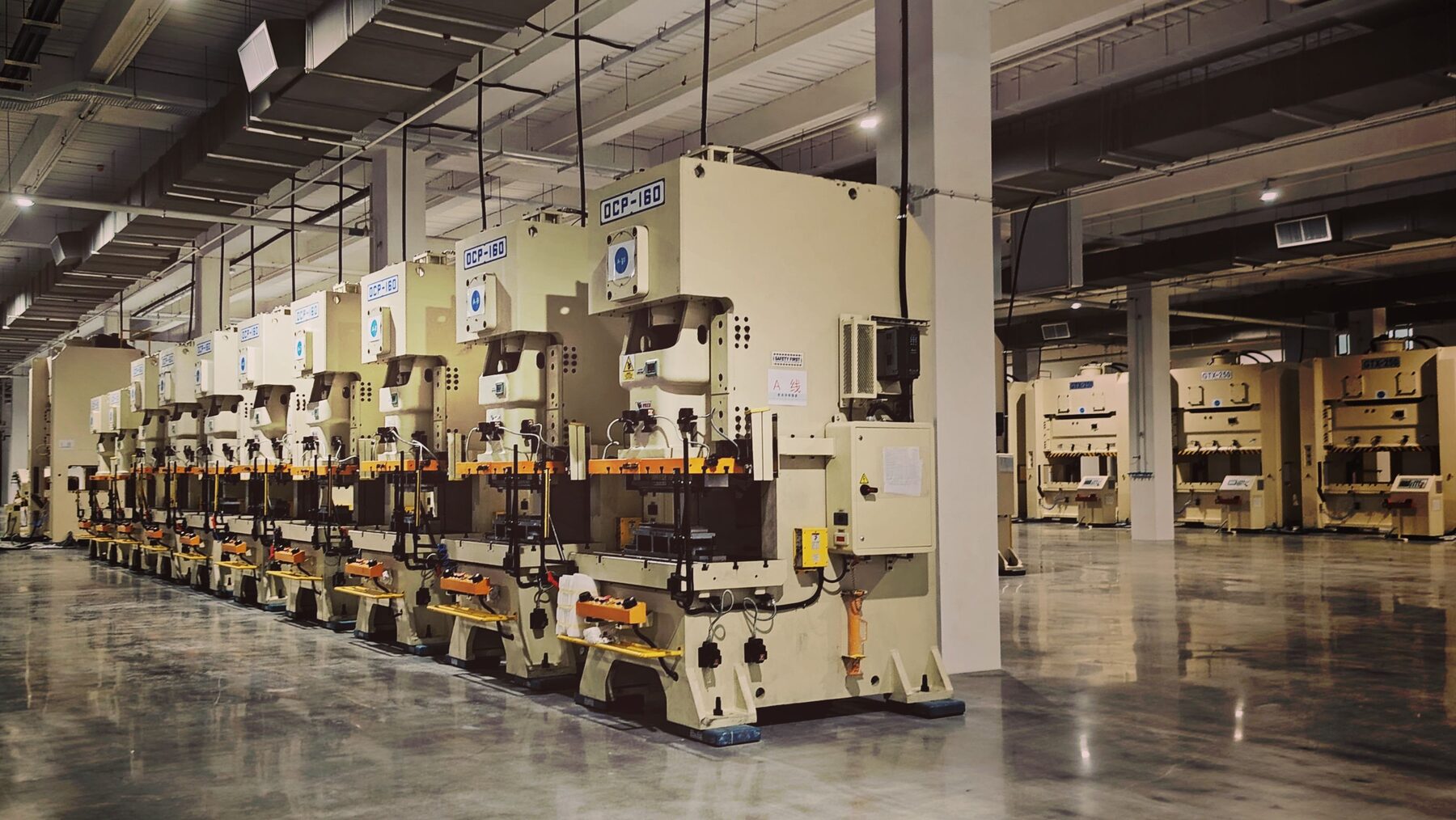
Lean Manufacturing
Build Better.
Waste Less.
Perform More.
Applied Designs works directly with manufacturing operations to improve flow, reduce scrap, strengthen processes and build systems that perform consistently.
Our approach
Real solutions on your floor.
We do not start with a presentation. We start by understanding the process from raw material in to finished product out, then work alongside your people to implement practical improvements.
Observe
Go to the line and see what is actually happening.
Understand
Review flow, equipment, tooling, labor and available data.
Improve
Develop practical changes that address the real causes.
Implement
Work with the team to put the changes into practice.
Verify
Measure results using valid, continuous information.
How we help
Capabilities that move the needle.
Process & Plant Layout
Raw material in to finished goods out. Improve movement, staging, flow and physical arrangement around the actual process.
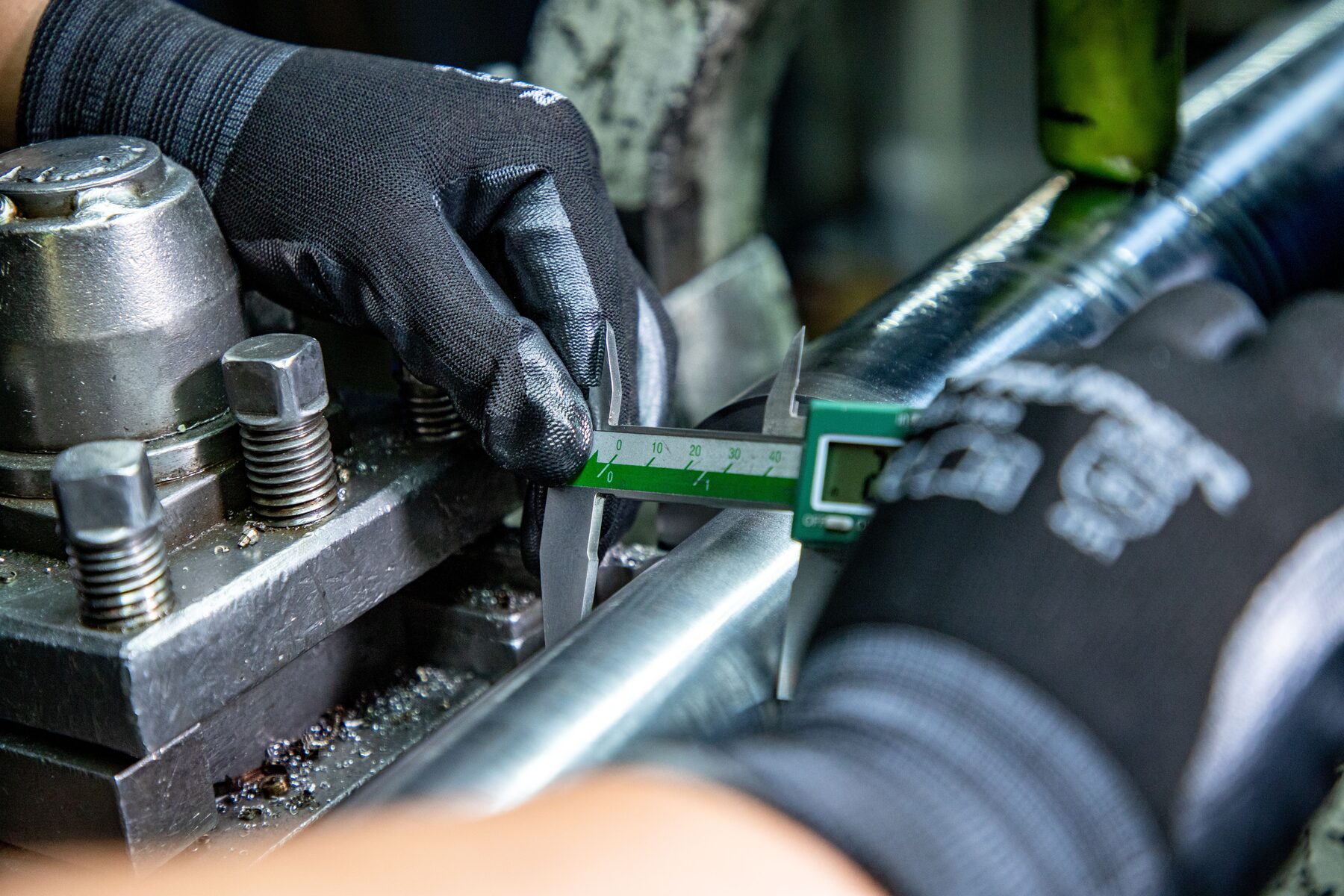
Scrap & Waste Reduction
Run the process, trace the loss, identify the root causes and implement changes that reduce material and labor waste.
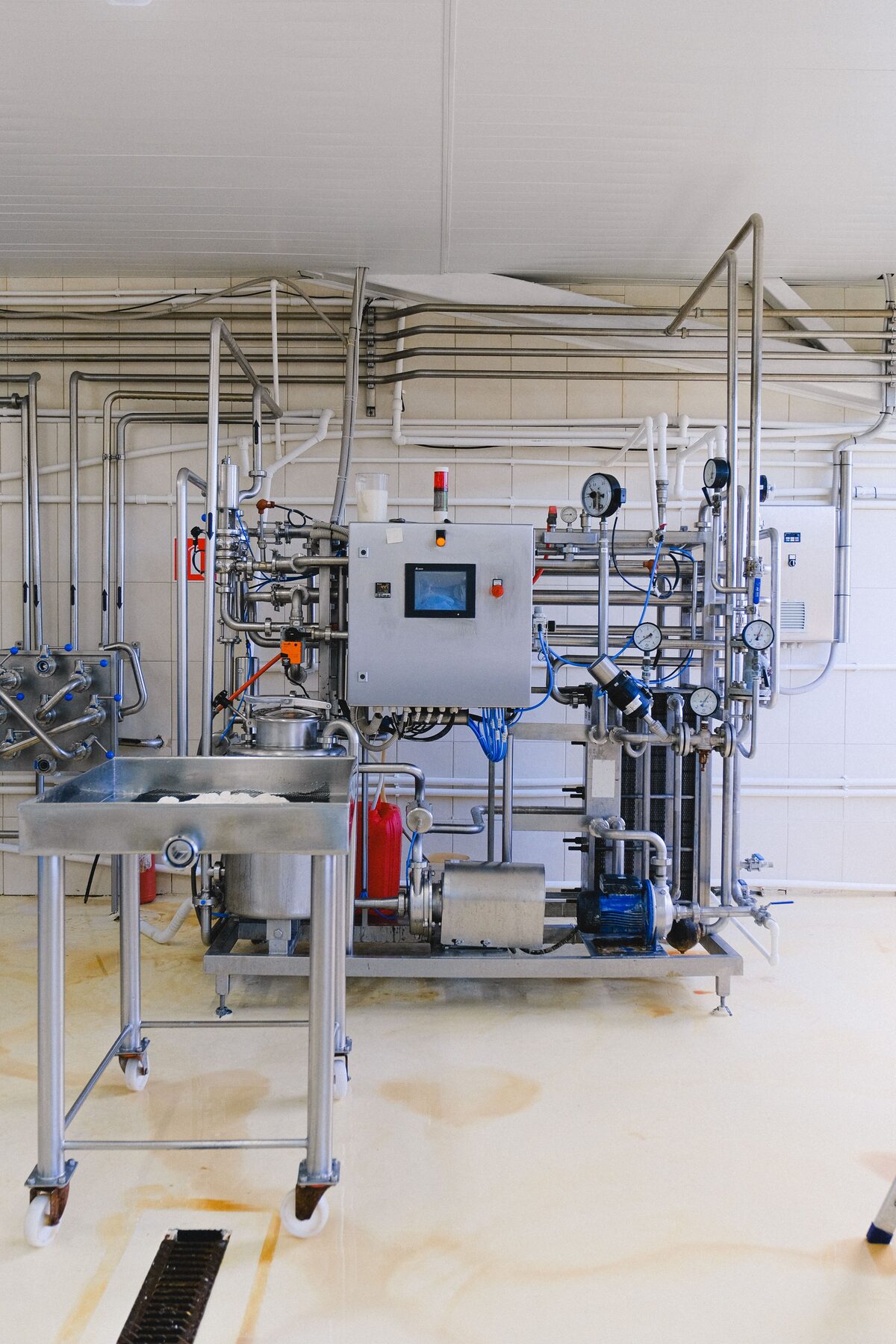
Equipment & Process Evaluation
Condition, capability, operation, tooling, setup and whether the equipment fits the job before more capital is spent.
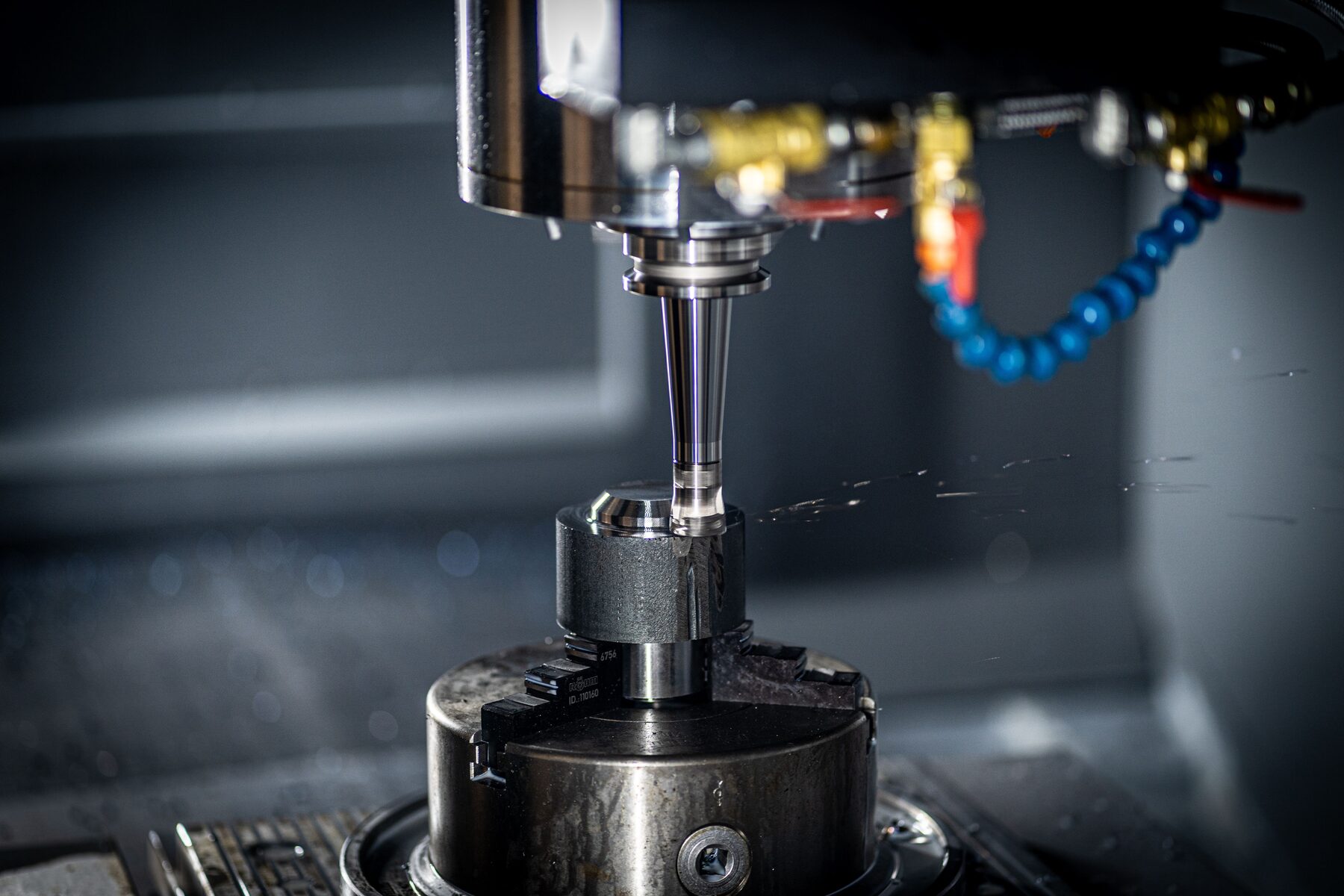
CNC Programming & Manufacturing Support
Programming, tooling strategy, setup, workholding and practical process support to get equipment producing correctly.
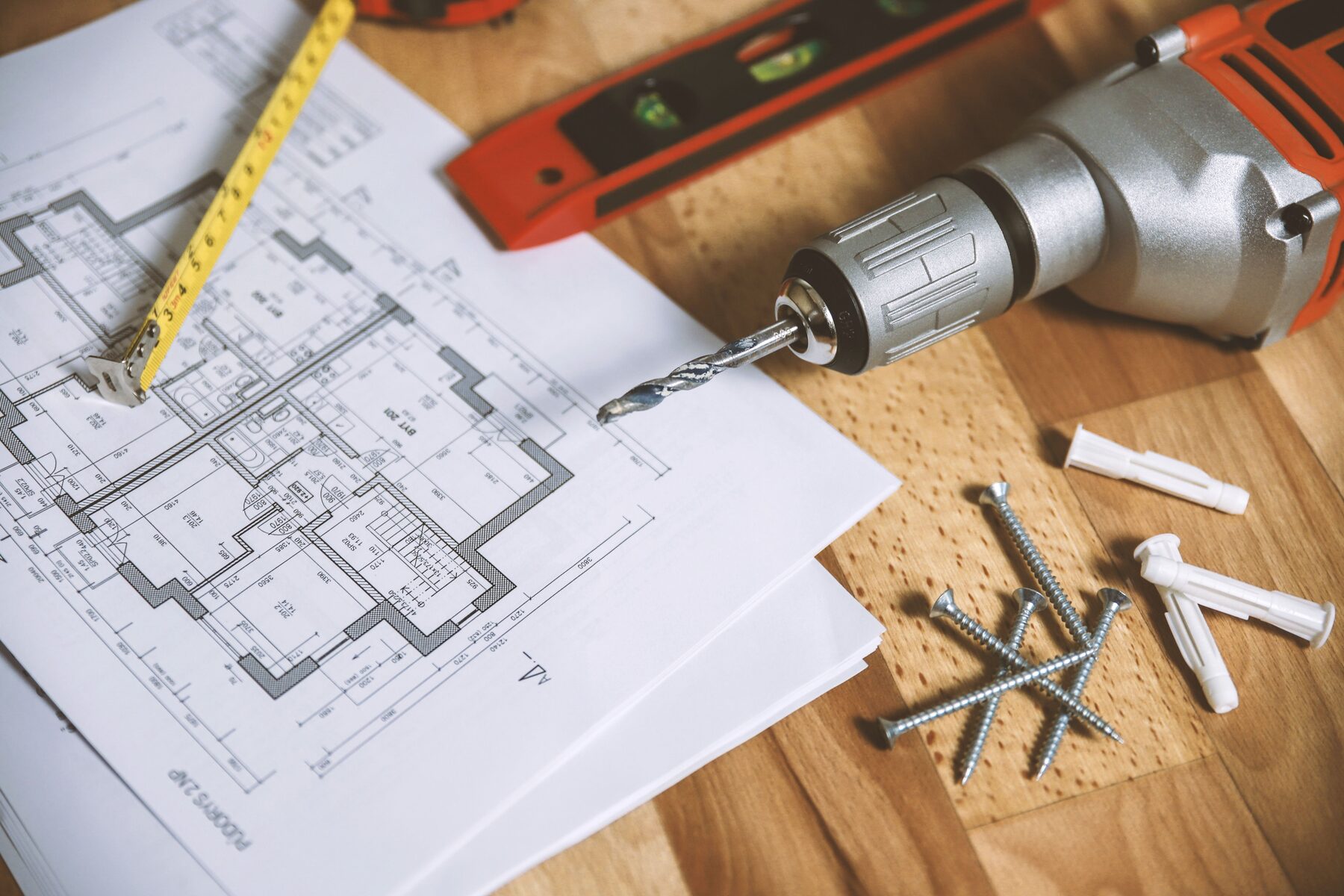
Work Instructions & Standard Work
Turn tribal knowledge into clear, repeatable processes operators can actually use.
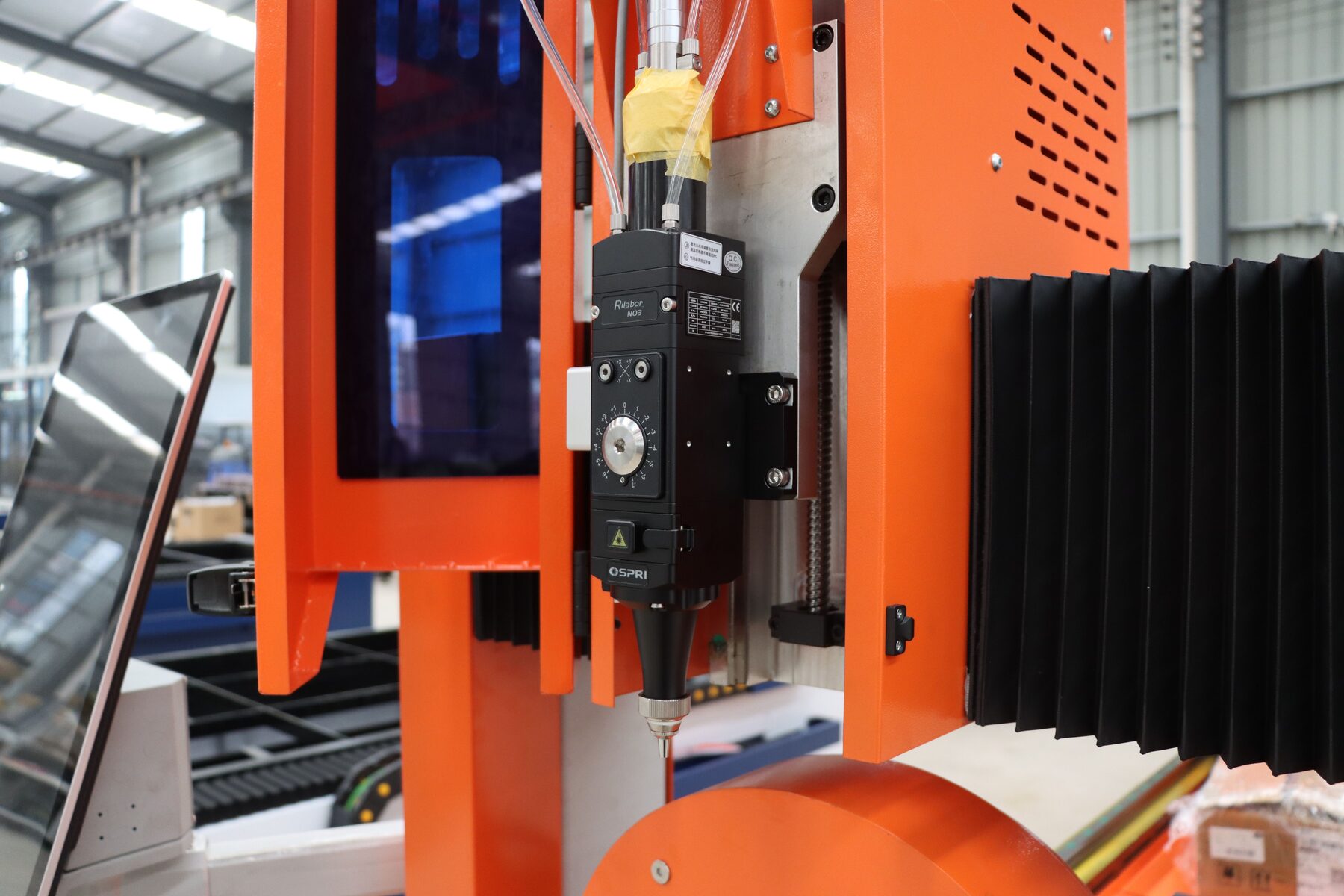
QMS Development
Practical quality procedures, inspection requirements, traceability and controls appropriate to the operation.
The operating philosophy
Take us to the line.
Show us where the material enters, where the finished good exits, the order of operations, who does what, how the equipment runs and what the operators have to fight every day.
Data with context
Metrics only matter when the data is valid.
Numbers are useful when they are accurate, continuous and tied back to the process. Observation finds the problem. Good data helps validate the cause and measure the result.